

As the real estate market evolves, more investors and homeowners are discovering the untapped potential of old homes. Renovating older properties offers a unique blend of charm, character, and financial benefits that newer homes simply can’t replicate. Here’s why transforming a classic home is a smart investment in today’s market.
1. Preserving Timeless Character
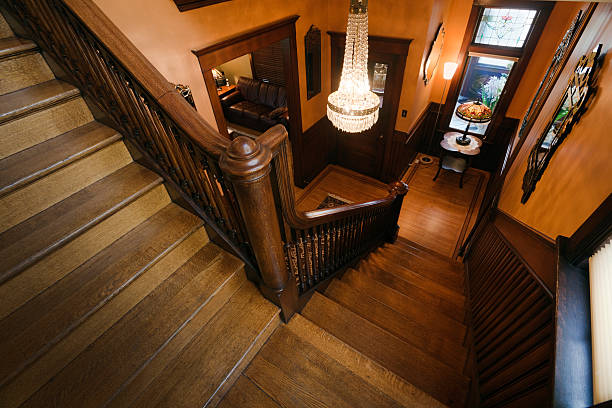
Older homes come with unique architectural details that are often missing in modern constructions. From intricate woodwork and vintage fireplaces to high ceilings and grand staircases, these features add character and charm that are difficult to replicate. By preserving and enhancing these details, homeowners can create a timeless appeal that attracts both buyers and renters.
2. Affordable Entry Point with High Returns
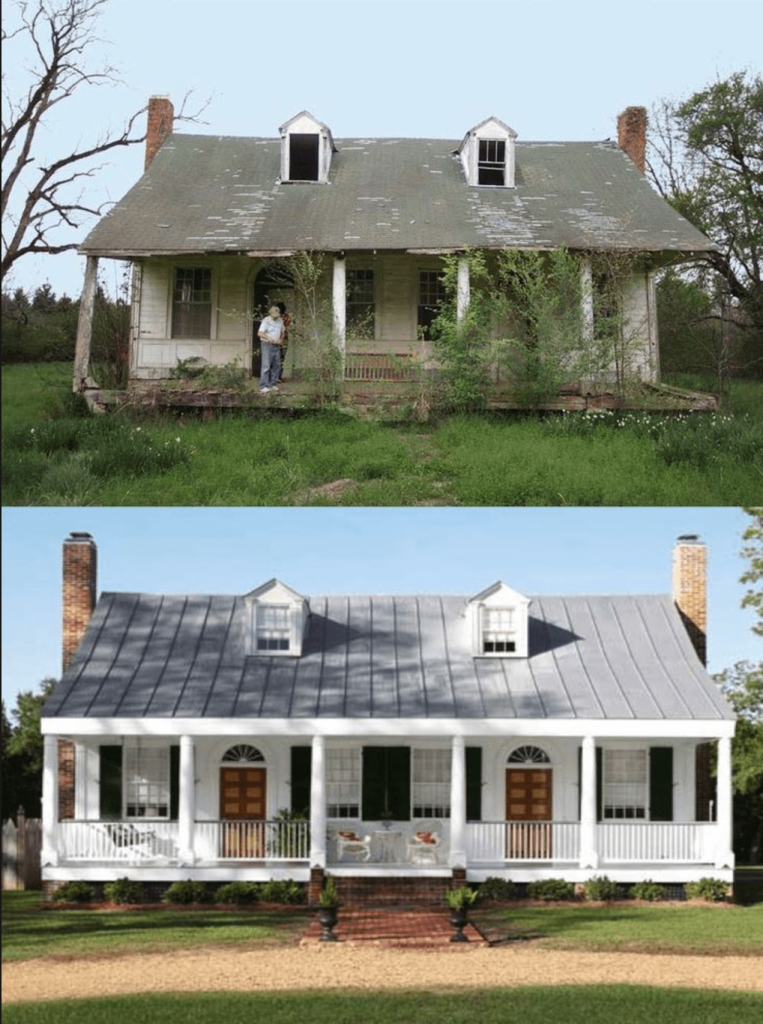
Old homes often come with a lower initial price compared to newer properties in the same area. This makes them an attractive option for investors looking for high returns. Renovating these properties not only increases their market value but also allows owners to customize them according to market trends, ensuring a better resale value or rental income.
3. Sustainability and Eco-Friendly Upgrades
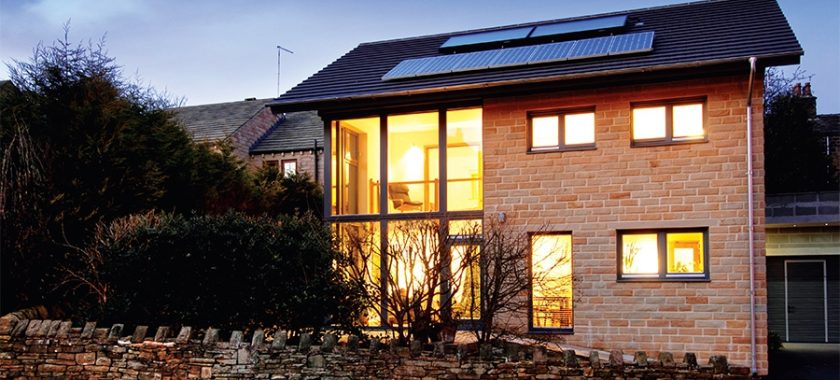
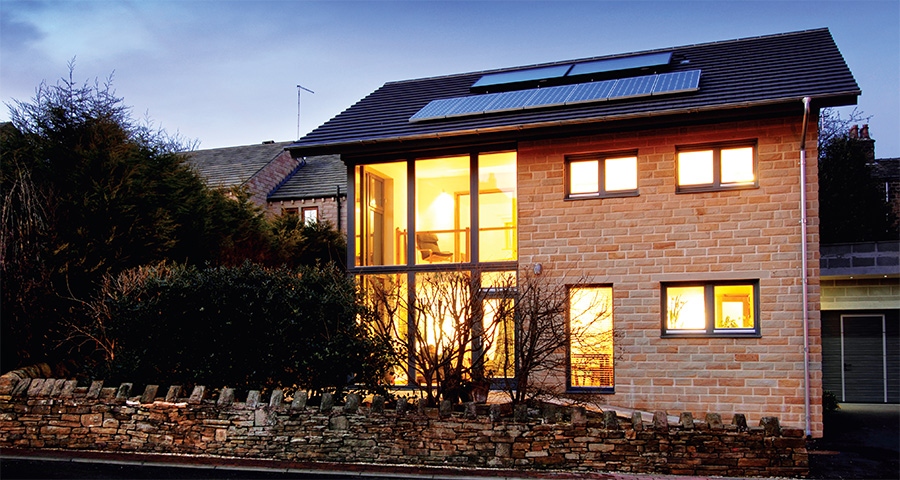
Renovating an old home is a sustainable choice. Instead of demolishing and rebuilding, you can reuse existing structures, reducing waste and the environmental impact. Modern upgrades, such as energy-efficient windows, insulation, and solar panels, can transform an old house into a sustainable, eco-friendly property while maintaining its original charm.
4. Benefiting from Prime Locations
Many older homes are located in well-established neighborhoods with mature trees, larger lots, and proximity to essential amenities. These areas often have a historical significance that adds to the property’s desirability. Renovating a home in such a location can dramatically increase its value and attract buyers seeking the perfect blend of history and modern comfort.

5. Incentives and Tax Benefits
Governments often offer incentives for restoring older properties, particularly those with historical significance. These benefits can include tax deductions, grants, or reduced property taxes. Taking advantage of these programs can make your renovation project more affordable and profitable in the long run.
Conclusion
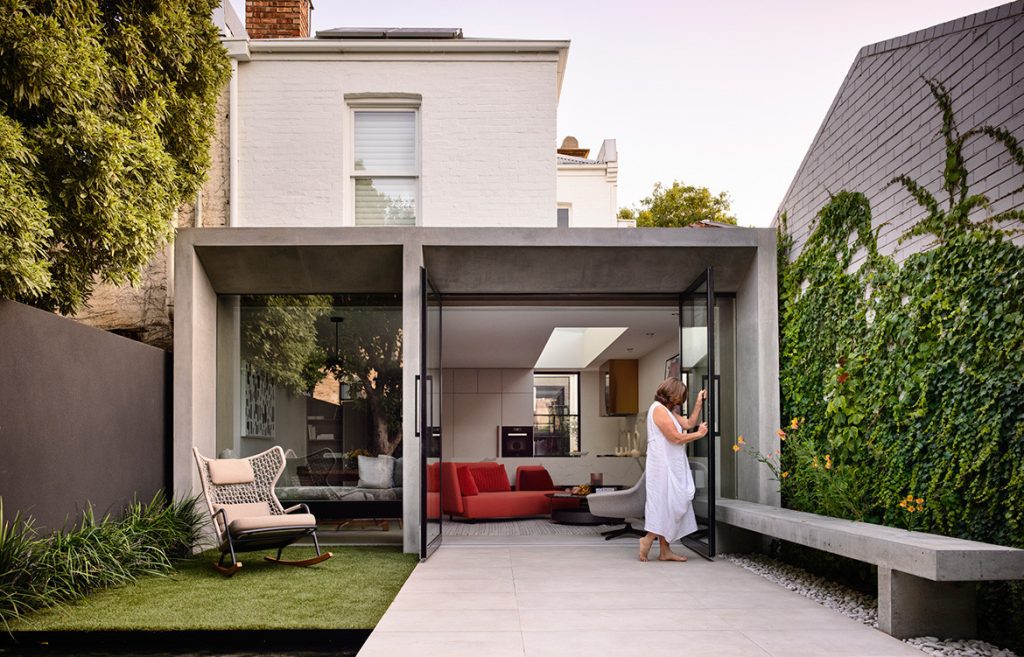
Renovating an old home is more than just a makeover; it’s a smart financial move that blends historical preservation with modern living. Whether you’re restoring a Victorian-era gem or updating a mid-century bungalow, the potential for long-term rewards is significant. By breathing new life into older properties, you’re investing in both the past and the future of real estate.
Leave a Reply